
Overview
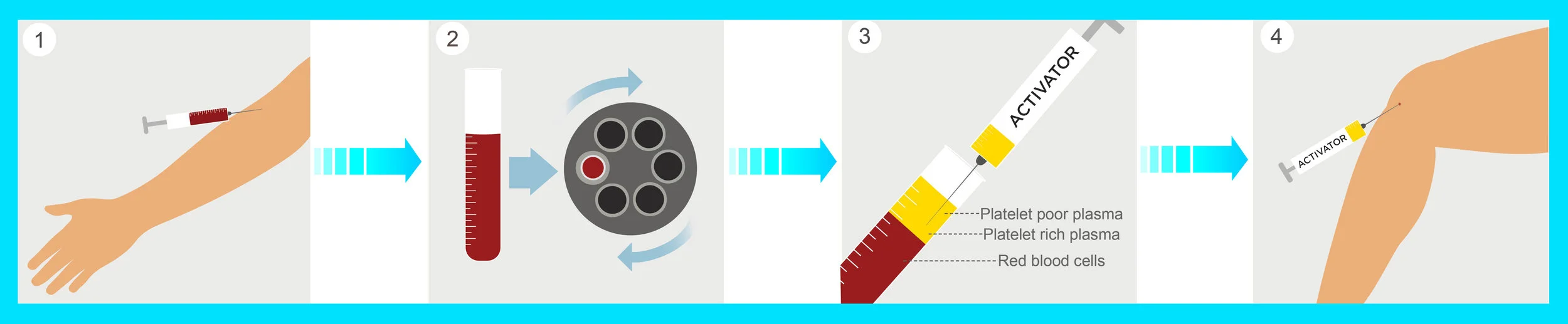
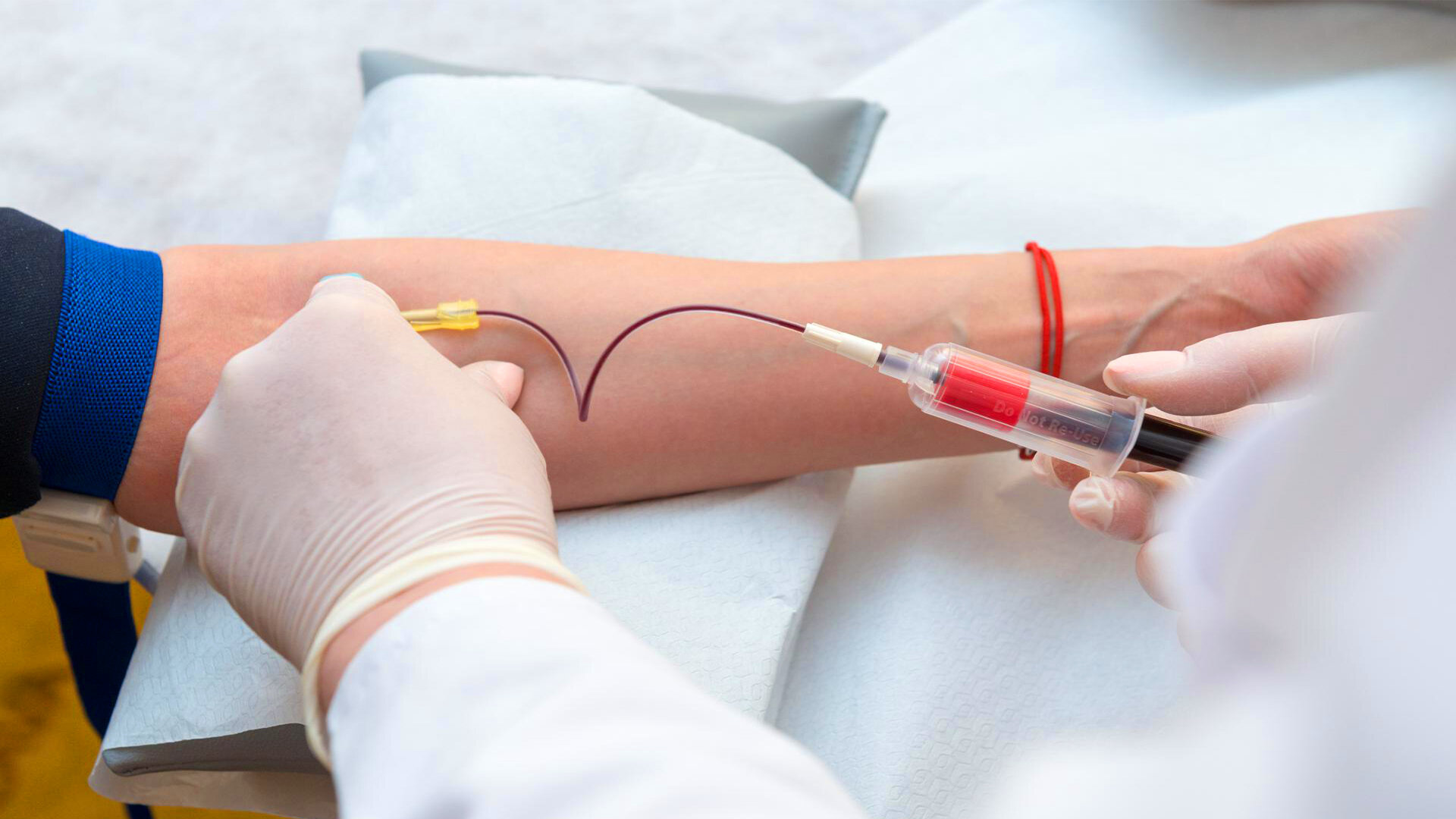
(1) An activated Platelet-Rich Plasma treatment starts with drawing a small amount of blood from the arm.
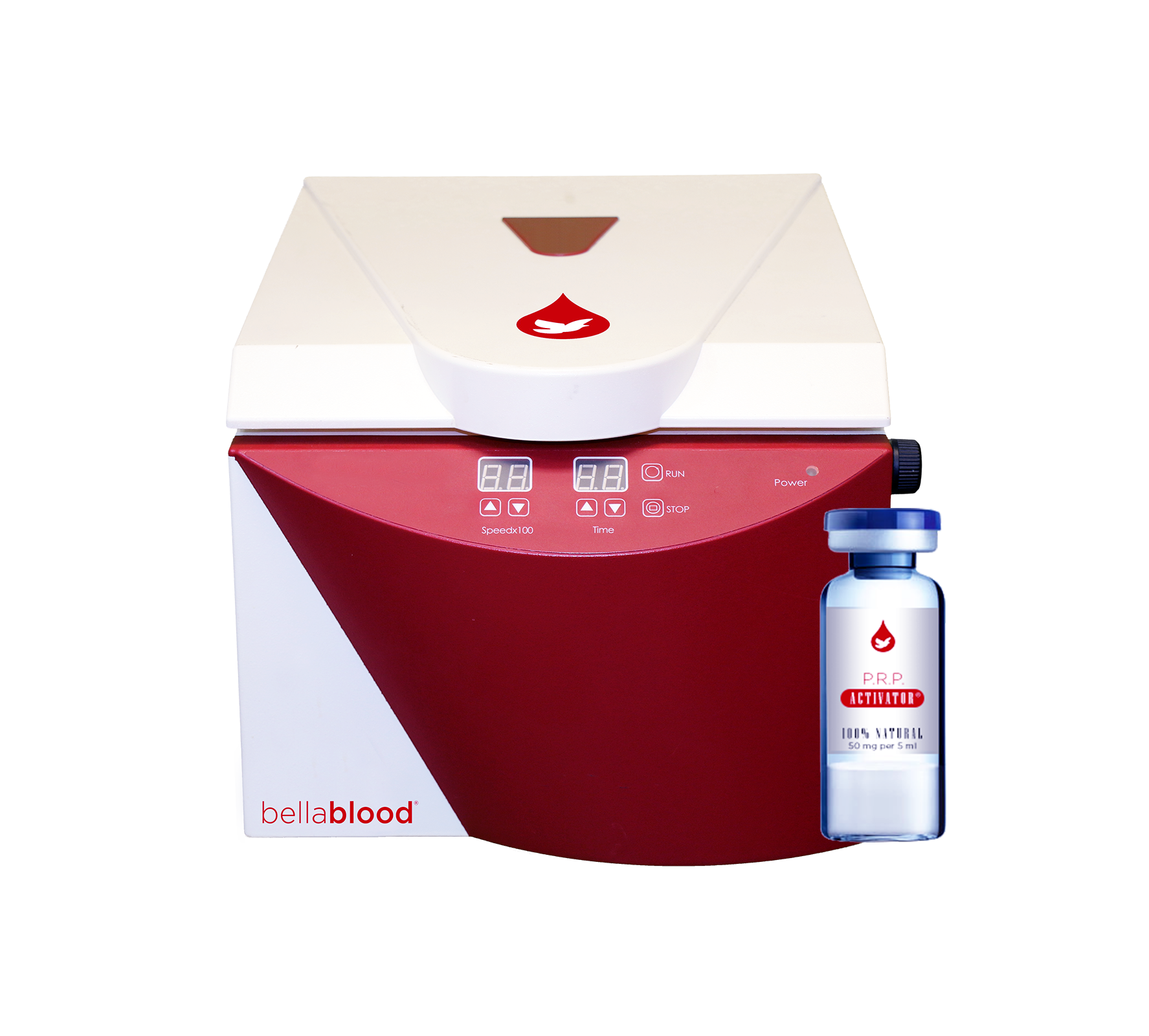
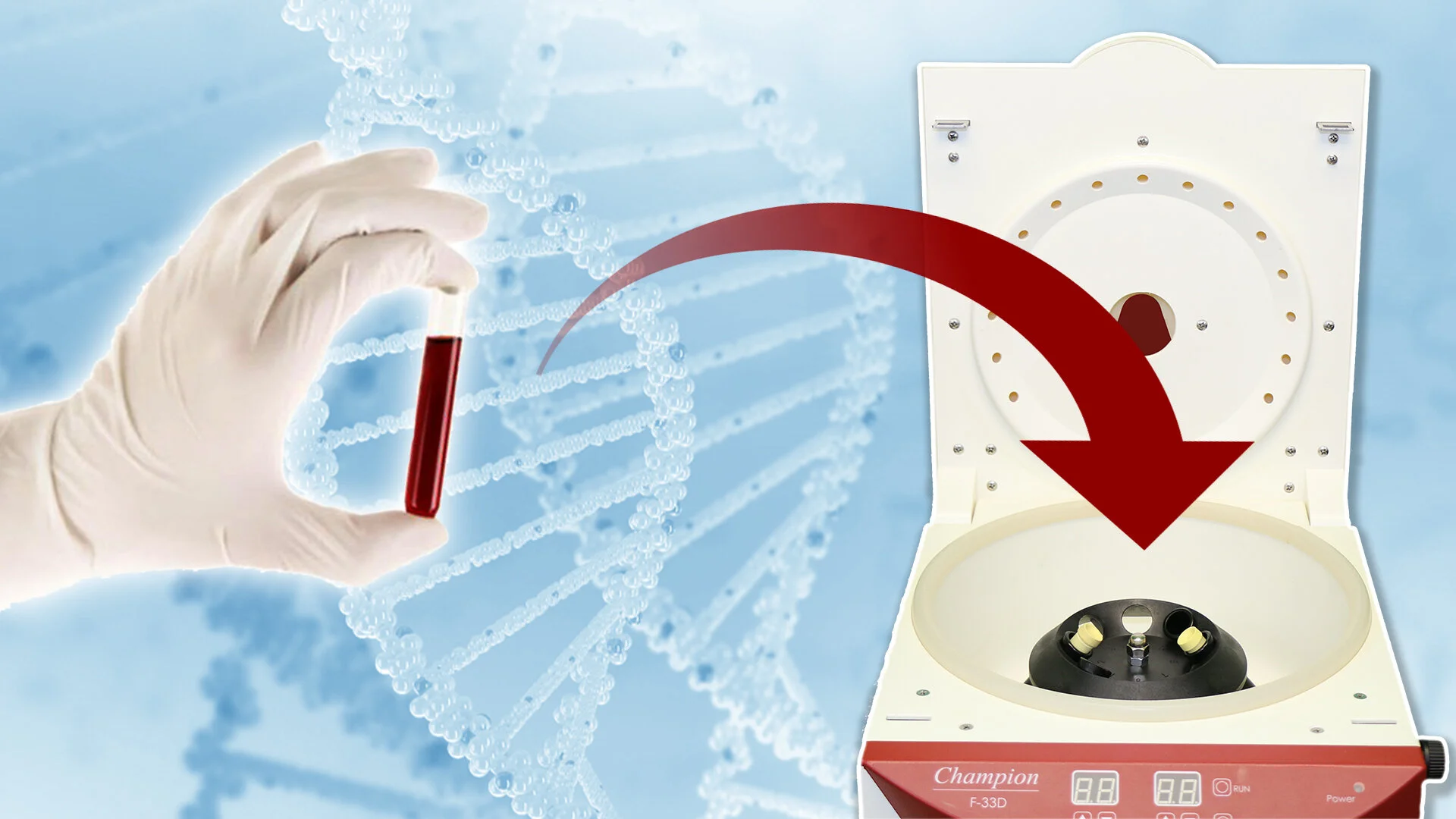
(2) The patient’s blood is then spun in a special bellablood centrifuge, to separate the components of the blood.
(3) The Platelet-Rich Plasma is then extracted with a special pre-loaded bellablood Activator Syringe and instantly activated with the proprietary solution found in the syringe.
(4) The Activated PRP is then injected back into the patient's desired area in the body.
How it works in (4) Steps
Step 1: Collect the patient’s own blood.
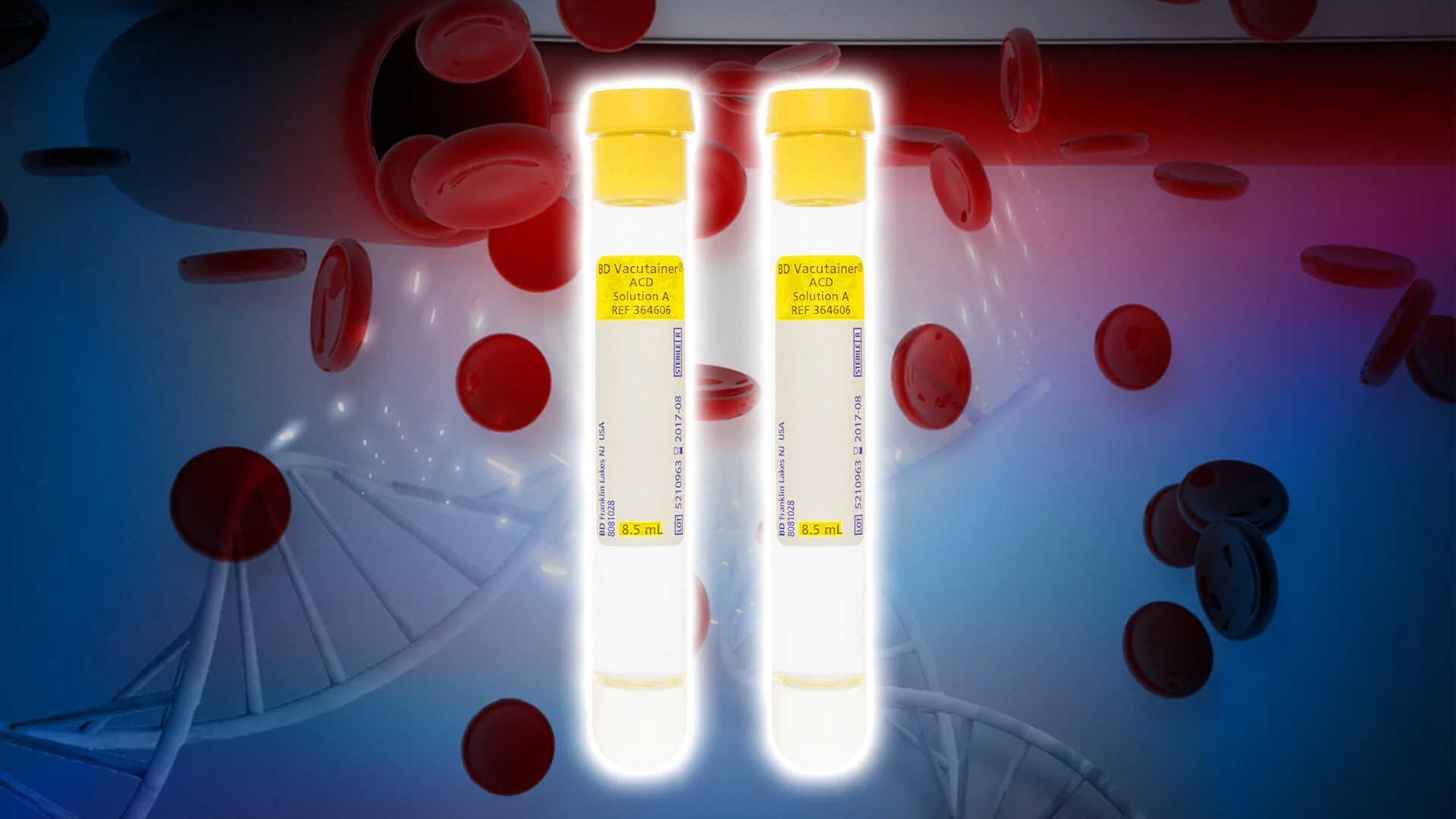
The collection is virtually identical to giving blood for a blood test, with a collection needle inserted into a vein in the arm and the blood captured in a small vial. Utilizing a sterile technique, we use two ACD tubes to draw 17cc of blood from the patient.
Step 2: Centrifuge the blood.
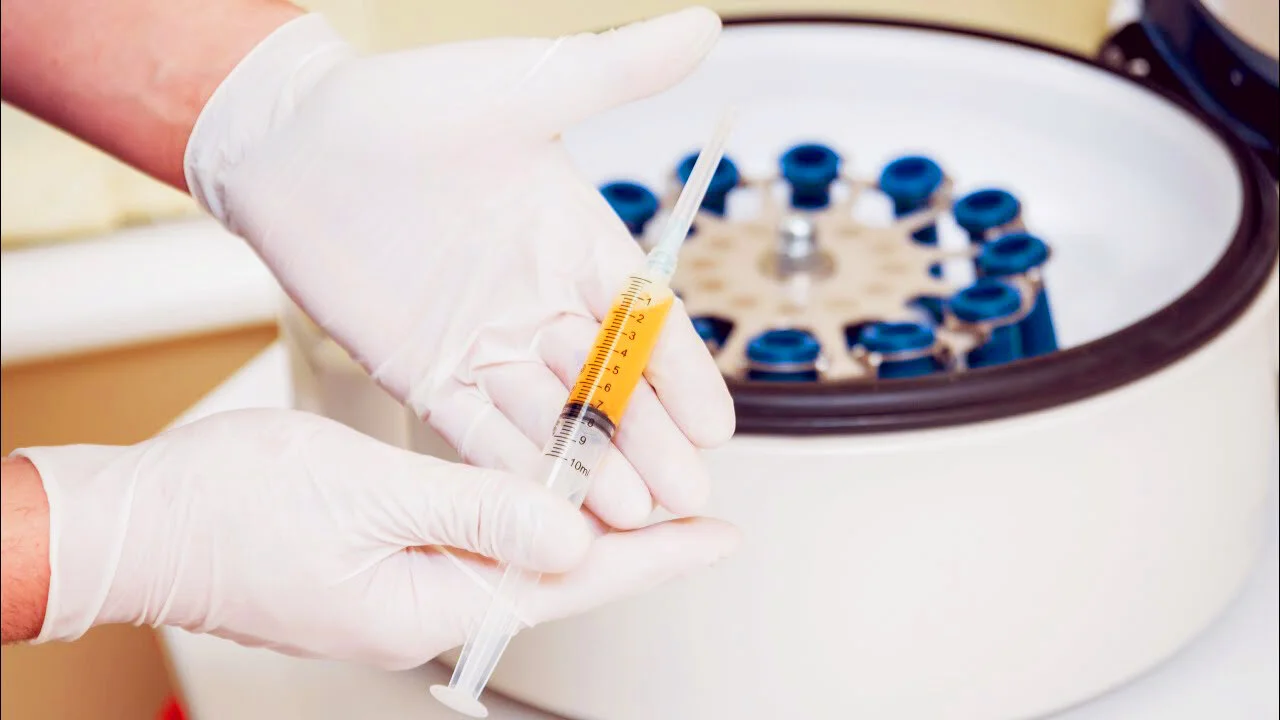
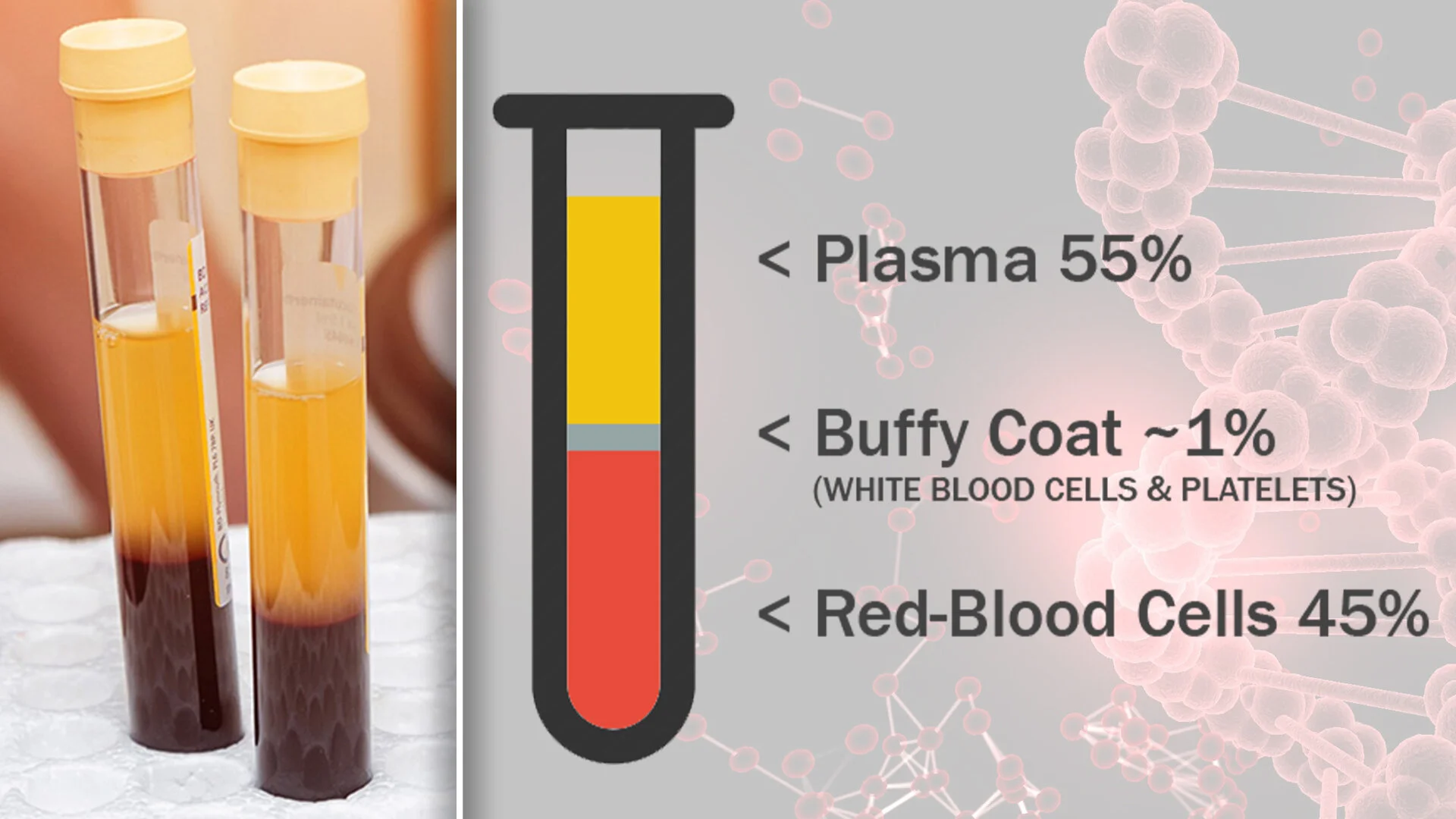
The blood is then placed into a special bellablood centrifuge that is set to a specific spin protocol. A centrifuge is a device that spins at high speeds. This action physically separates the solid and liquid parts of the blood: red blood cells (erythrocytes), white blood cells (leukocytes), platelets (thrombocytes), and plasma (liquid).
Step 3: Extract & Activate Platelets
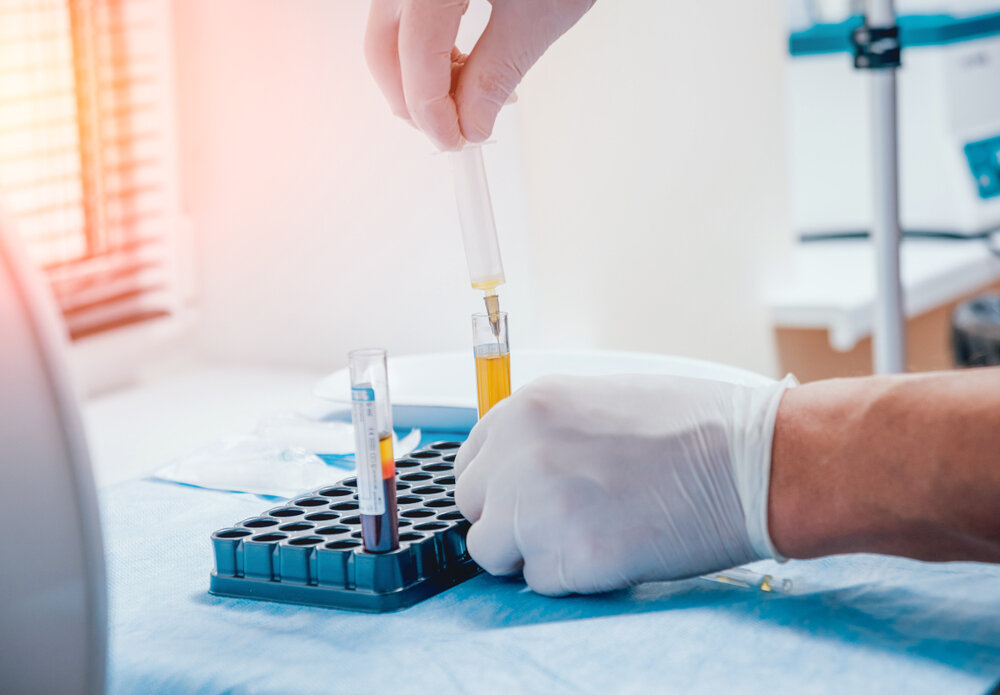
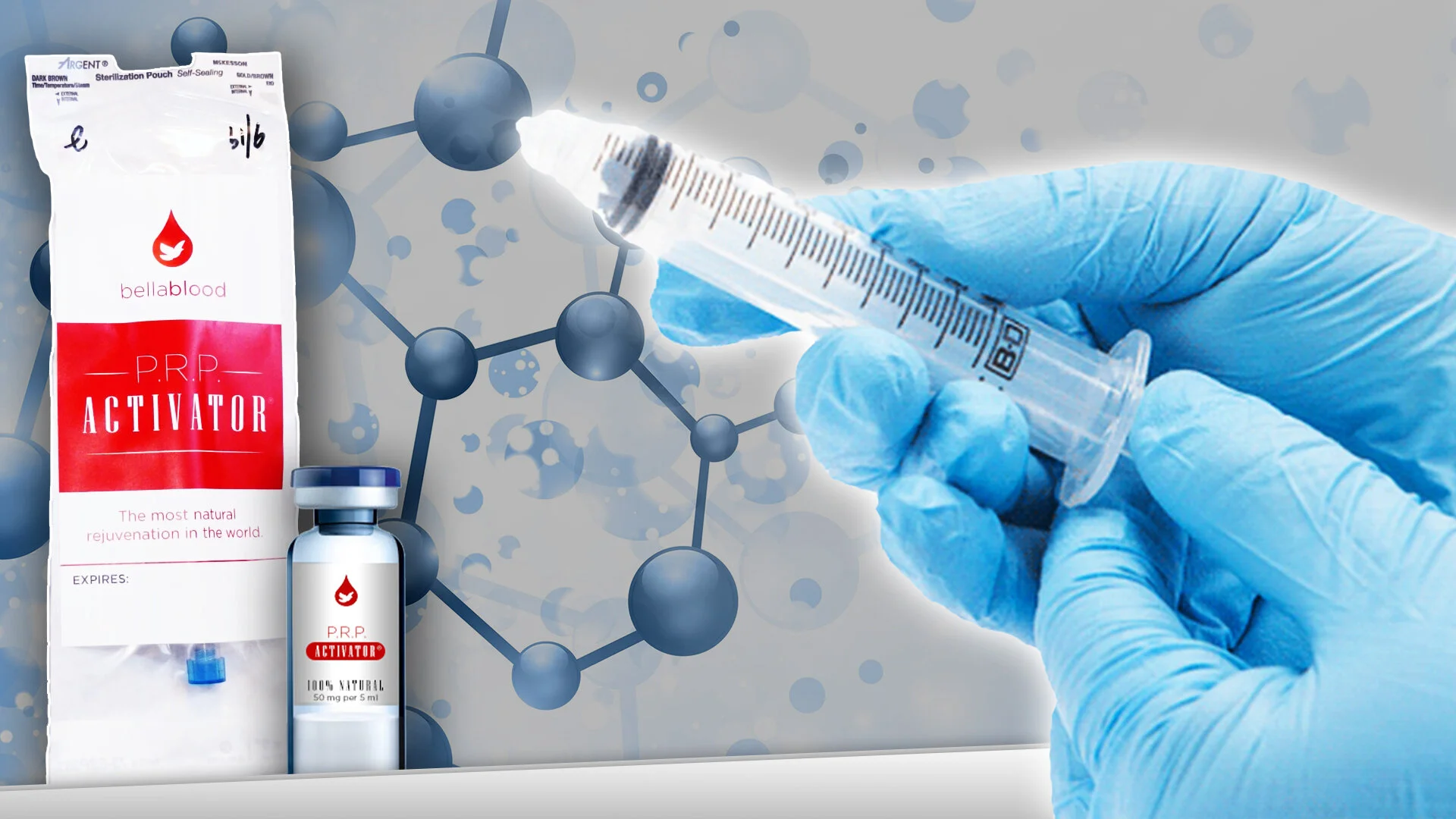
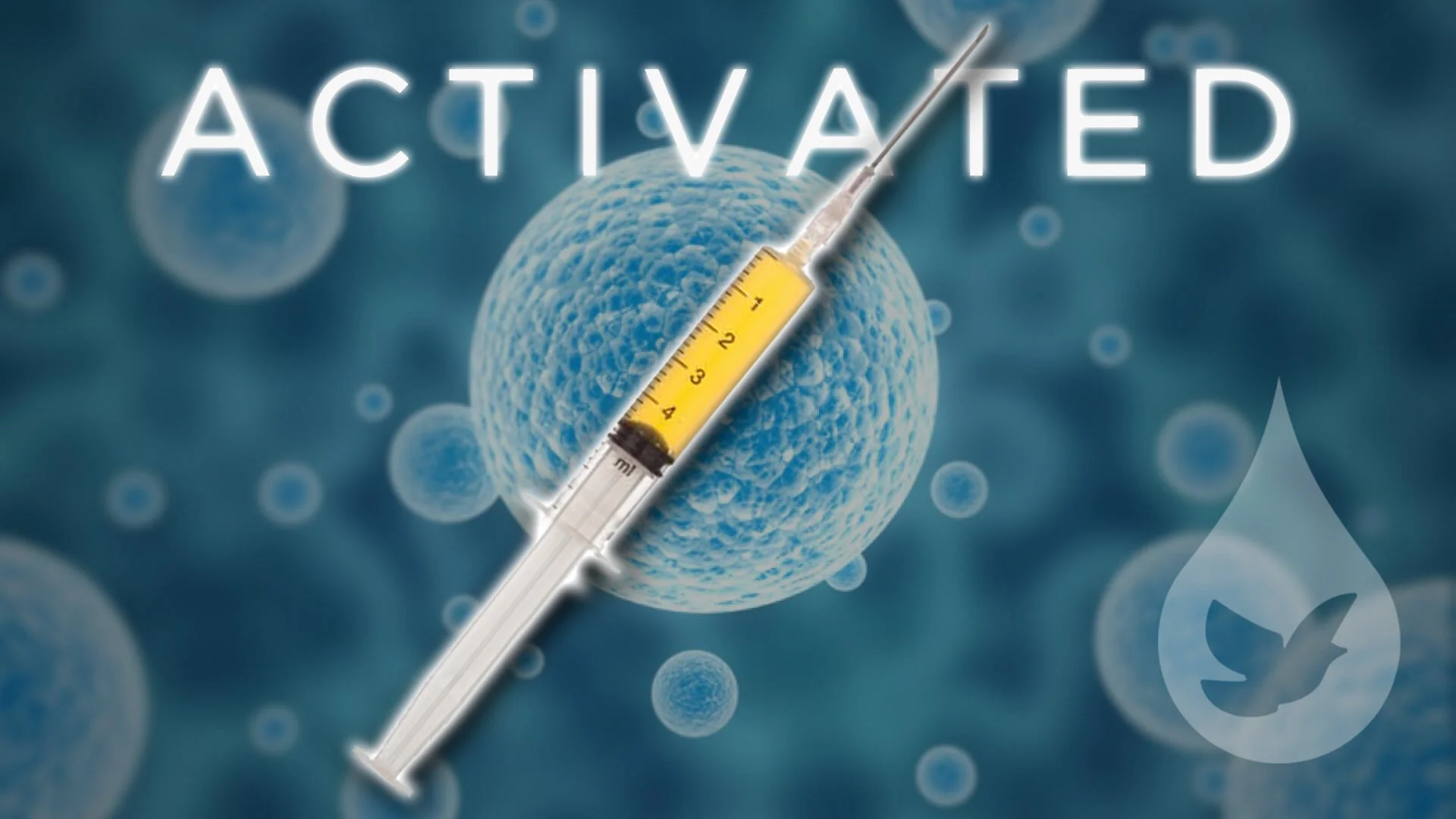
The plasma is then extracted with a special bellablood Activator Syringe (10ml Leur-Lok), that is pre-loaded with a proprietary activator/aggregator solution. Once the PRP is collected, platelets are immediately activated and release bioactive molecules such as Growth Factors. Learn More.
Step 4: Inject the PRP into the desired site.
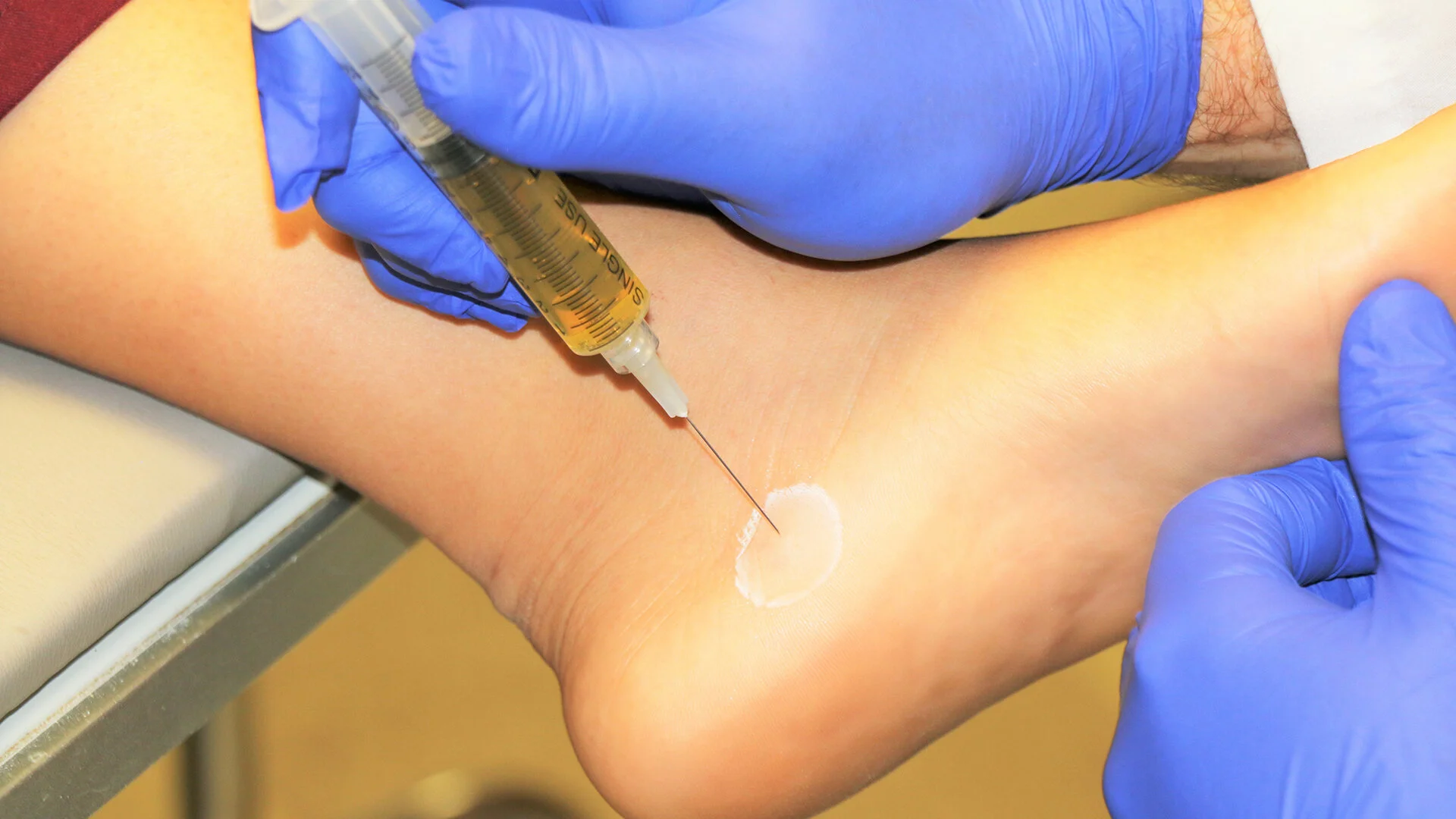
The bellablood syringe with Platelet-Rich Plasma containing activated platelets is then injected into the proper location, based on the nature of the injury being treated. It should be done within 10 minutes of extraction, to avoid clotting.
A bellablood PRP treatment can be achieved within 30 minutes.

What conditions are commonly treated by PRP?
Platelet-Rich Plasma Therapy can potentially treat a range of sports and acute injuries resulting in joint, tendon and ligament pain. Soft tissue injuries are most responsive to PRP treatment. The following is a representative, non-exhaustive sample:
Joint pain resulting from inflammation after an acute injury
Chronic Degenerative Joint Disease
Ligament and muscle injuries
Tendonitis, e.g. tennis elbow and golfer’s elbow
Early partial tendon tears
For example, tendonitis, such as Achilles tendonitis or patellar tendonitis in the knee, or tennis elbow, are common overuse conditions plaguing many athletes.
Many of these tendons involve microscopic tearing and formation of scar tissue. It is often difficult to heal these tendon injuries due to poor blood supply to these regions. With PRP treatment, this concentrated platelet injection enhances the nutrients and growth factors in the injured area to allow the body to heal it.
Research studies and clinical practice have shown PRP therapy to be very effective at relieving pain and returning patients to their normal lives.
Both ultrasound and MRI images have shown definitive tissue repair after PRP therapy, confirming the healing process. The need for surgery can also be greatly reduced by treating injured tissues before the damage progresses and the condition is irreversible.

Which treatment should I get? Stem Cells or Platelet Rich Plasma?
Let’s say, for example, you have encountered an injury to the knee meniscus, ACL or MCL ligaments, or have chronic knee pain due to a past injury or arthritis. Any of these dysfunctions would make you a good candidate for knee stem cell therapy.
Autologous Adult Stem Cells are being used to treat many types of chronic pain and degeneration. A mesenchymal stem cell is a primitive cell with the ability to self-replicate, reduce inflammation, fight apoptosis, and differentiate into multiple tissues.
With these abilities and under the right conditions, stem cells hold the potential to regenerate damaged tissue. The stem cells used for these therapies are natural and harvested from your own body.
Currently doctors are treating shoulder, knee, hip, and spine degeneration, in addition to soft tissue (muscle, tendon, ligament) and other bone related injuries.
In many cases, the area of injury can be treated with both stem cells and platelet rich plasma (PRP).
PRP therapy alone can be effective for acute sports injuries. Much more profound results – tissue regeneration and pain relief – are often seen in these conditions when PRP is utilized in combination with stem cell injections.
Remember, PRP is a combination of growth factors and platelets that provide cell signals and nourishment to help stem cells flourish and develop into new joints, ligaments, cartilage, and tendons. If stem cells are the seeds in the lawn, PRP is the fertilizer that helps the lawn grow.

Can Regenerative Medicine be used as an alternative to surgery?
Traditional options for patients suffering from chronic musculoskeletal injuries involve arthroscopic surgery or joint replacements. These options can often require months of rehabilitation to regain strength and mobility, and the patient must be prepared for associated risks.
Most cases of stem cell and PRP treatments are successful, and avoid the pain, disability, down time, and risk associated with major surgery. There is minimal recovery from a stem cell or PRP treatment, usually mediated by soreness and some bruising in the treated area.
Since stem cell treatment is very safe, it can be repeated in the joint if necessary to obtain optimal results. Also, having treatment with stem cells would not make a person ineligible for surgery.
Finally, there have been no reports of serious adverse effects in the scientific literature when adult mesenchymal stem cells are used in these procedures.
In recent years scientists and doctors have made tremendous advances in moving regenerative medicine into the mainstream as a treatment for many diseases and disorders. The reparative procedures offered at our facility aim to repair damaged tissues and get you back to your active lifestyle without the need for surgery.
At bellablood PRP, we strive to provide the safest and most effective care for our patients. Our Regenerative Medicine Program was developed to give our patients access to the most advanced treatment options with proven results. Schedule your consultation today.